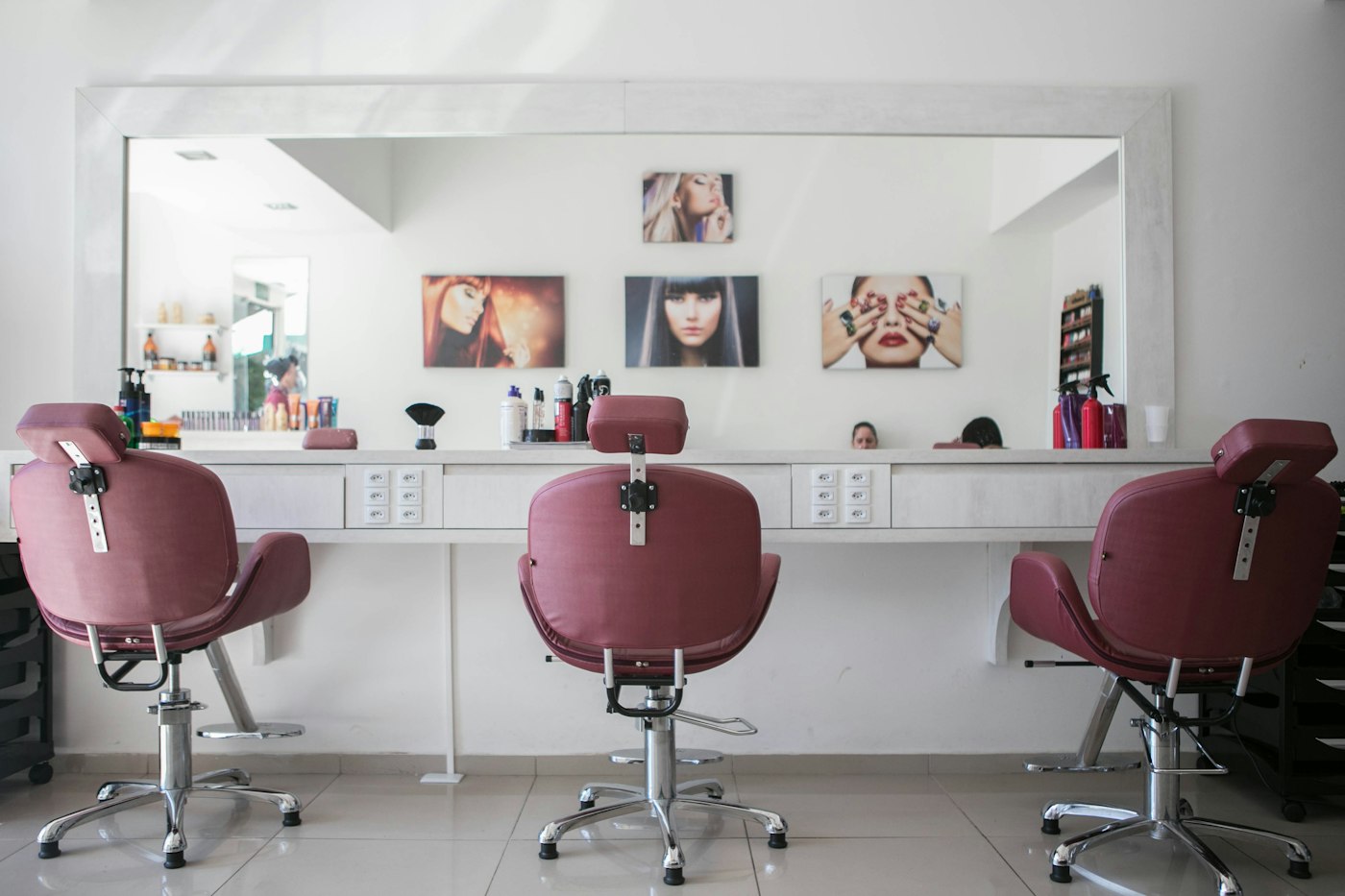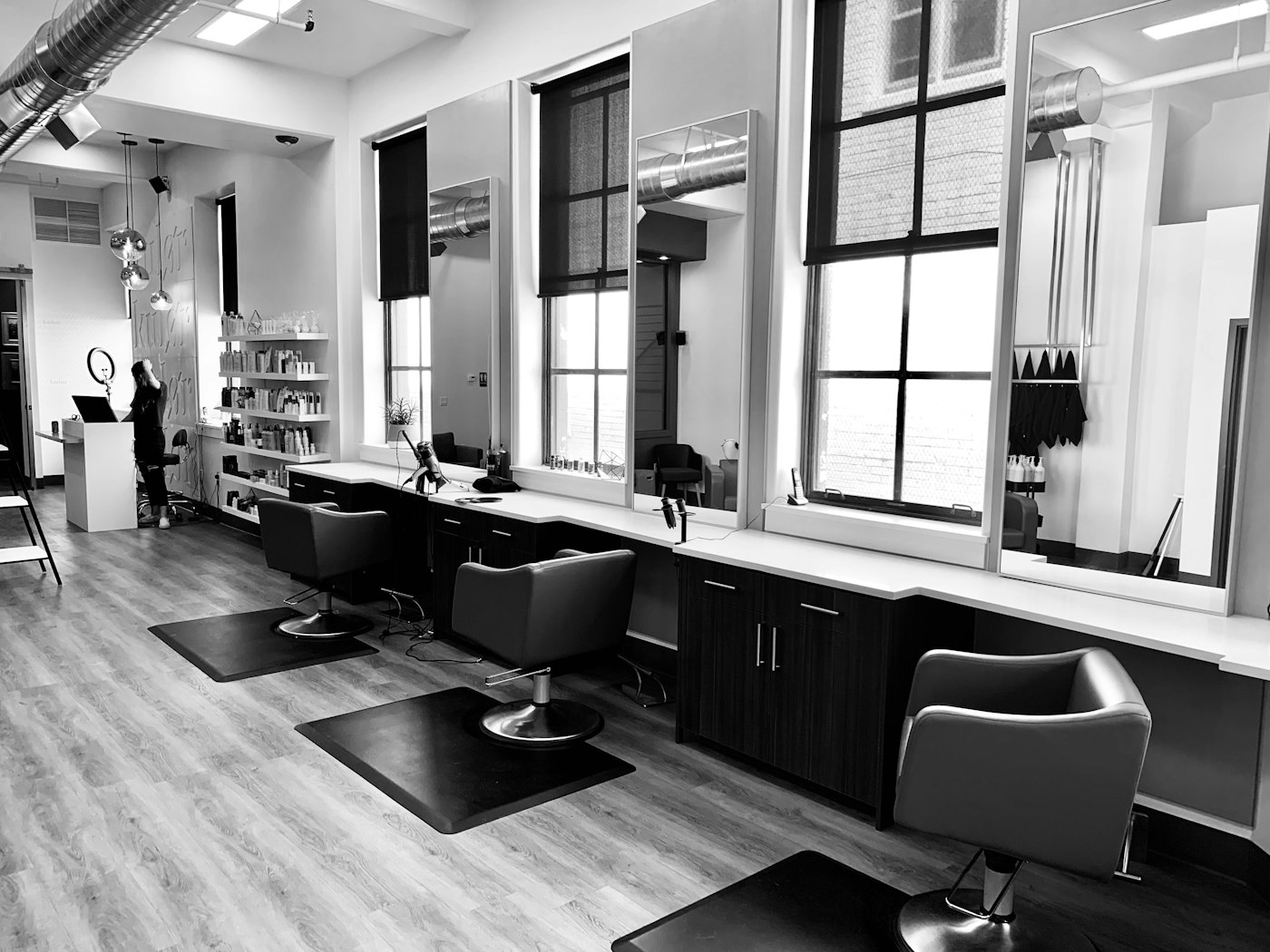
Every salon owner knows the sinking feeling. A stylist stands ready, the chair is prepped, and the client simply never arrives. There is no phone call, no message, just an empty slot that could have been filled twice over. No-shows are one of the most persistent and expensive problems in the hair industry, and yet most salons treat them as an unavoidable cost of doing business. They are not.
With the right combination of process, communication and technology, you can dramatically reduce no-shows without turning your welcoming salon into a fortress of penalties and paperwork. This guide walks through what actually works.
Understand Why Clients Don't Show Up
Before you fix the problem, it helps to understand it. Most no-shows are not malicious. Clients forget. They double-book themselves. Life gets in the way and they feel too awkward to call and cancel. A small minority are genuinely inconsiderate, but the vast majority simply lost track of the appointment.
That distinction matters because it tells you where to focus. If forgetfulness is the biggest driver, then better reminders will have the biggest impact. If last-minute life changes are common, then making it easy to reschedule becomes essential.
Send Automated Appointment Reminders
The single most effective step you can take is consistent, automated reminders. A friendly message a couple of days before, followed by a shorter nudge on the morning of the appointment, keeps the booking front of mind. SMS messages are typically read within minutes of arriving, which makes them far more reliable than email alone.
Manual reminders fail because they depend on someone remembering to send them during a busy day. Automated reminders never forget. LightDay's appointment reminders send automatically across SMS and email, and give clients an easy way to confirm or rearrange. When reminders run on autopilot, forgetfulness stops being your enemy.
Take Deposits for High-Value Services
For longer or more expensive appointments, a deposit changes the psychology of the booking completely. When a client has money committed to a slot, they treat it as a real commitment rather than a loose intention. You do not need to demand full payment upfront. A modest deposit, redeemable against the final bill, is usually enough to signal seriousness.
Deposits are especially valuable for colour corrections, extensions and any service that ties up a stylist for hours. LightDay's deposit and prepayment tools let you set rules per service so that your quick fringe trims stay deposit-free while your six-hour balayage transformations are protected. You can also offer flexible payment through Klarna and Clearpay, which makes higher-value bookings feel more accessible while still securing the slot.
Make Rescheduling Effortless
Counterintuitively, one of the best ways to reduce no-shows is to make cancelling and rescheduling easy. When a client cannot make it, you want them to tell you as early as possible so you can fill the gap. If your only cancellation option is a phone call during opening hours, many clients will simply avoid the conversation and ghost you instead.
Give clients a self-service link in every reminder that lets them move their appointment in seconds. A rescheduled booking is infinitely better than a no-show, because the chair still gets used and the client still gets served. Online booking that includes self-service rescheduling turns awkward cancellations into painless changes.
Fill the Gaps That Do Happen
Even the best systems will not eliminate every no-show. What matters next is how quickly you recover. A last-minute gap does not have to mean lost revenue if you can offer it to someone else immediately.
A waitlist is your safety net here. When a slot opens up, the right clients can be notified automatically and the space refills before your stylist has finished sweeping up. LightDay's waitlist management does exactly this, and its Spark AI engine goes further by identifying which lapsed or overdue clients are the best fit for a sudden opening and drafting the outreach for you.
Build a Clear, Fair No-Show Policy
Policies work best when they are clear, communicated upfront and applied consistently. Decide how many reminders you will send, what your cancellation notice period is, and what happens if a client repeatedly fails to attend. Then make sure clients see this at the point of booking so there are no surprises.
The goal is not to punish. It is to set expectations. A well-worded policy, shared kindly, signals that your time has value and that respecting bookings is part of the relationship. Most clients respond well to reasonable boundaries. For the persistent offenders, no-show protection lets you require deposits or card details from clients with a history of missed appointments while keeping the experience frictionless for everyone else.
Track the Numbers So You Can Improve
You cannot manage what you do not measure. Keep an eye on your no-show rate over time and look for patterns. Are certain days worse than others? Do particular services attract more missed appointments? Does one stylist see fewer no-shows because of how they build rapport?
Good reporting and analytics turn these questions into answers. When you can see the trend line moving in the right direction, you know your changes are working, and when a number creeps up you can act before it becomes a habit.
Bring It All Together
Reducing no-shows is not about one silver bullet. It is a layered approach: reliable reminders so people remember, deposits so bookings feel real, effortless rescheduling so cancellations come early, waitlists so gaps refill fast, and clear policies so expectations are shared. Each layer catches what the previous one missed.
Run these systems consistently and the empty chairs become rare exceptions rather than a weekly frustration. If you want to see how it fits together for a hair salon, explore LightDay's hair salon software or start a 14-day free trial and watch your no-show rate fall.