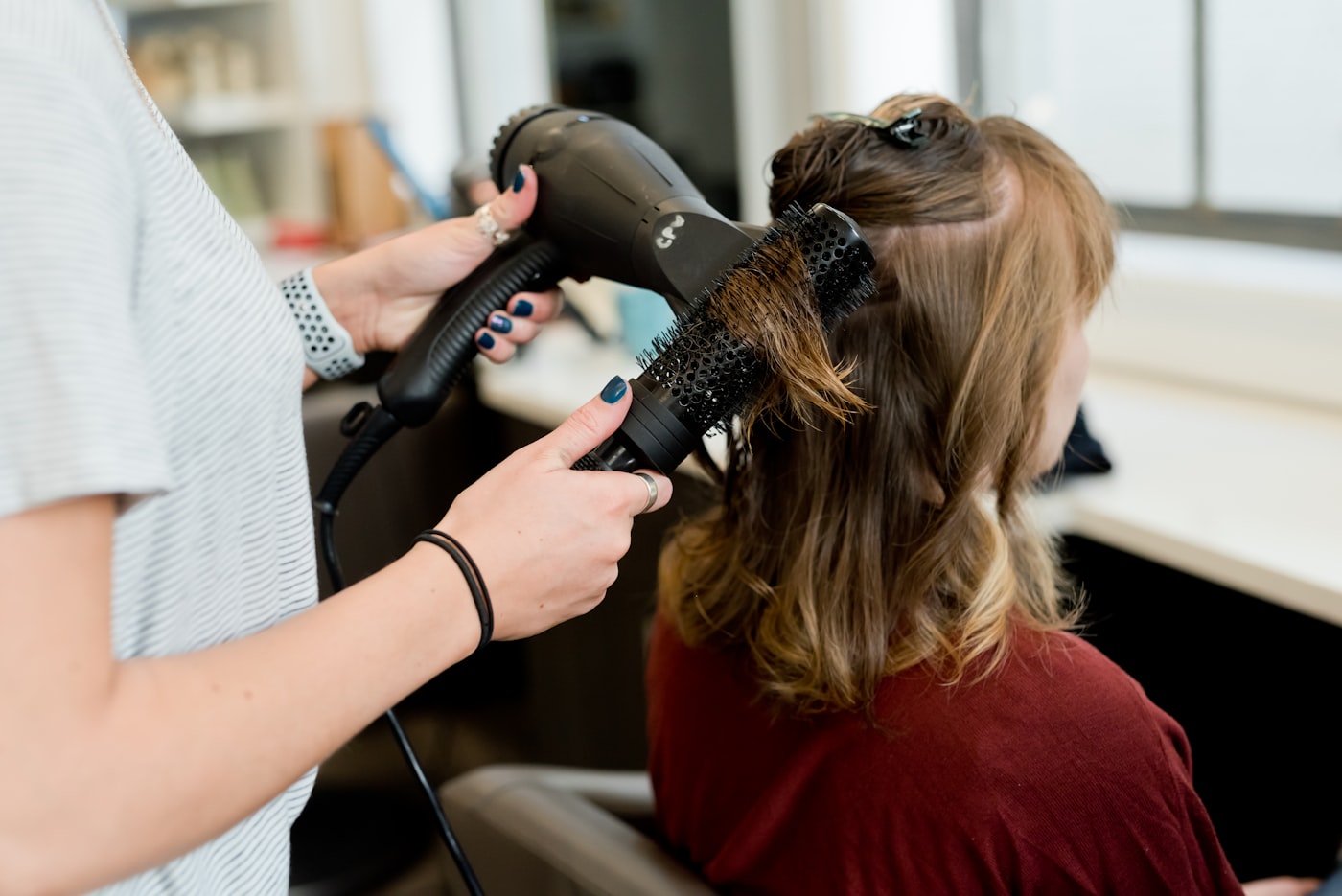
Barber shops have a different rhythm to salons and clinics. High volume, plenty of walk-ins, quick turnarounds and a loyal regular base. The right software should match that pace, not slow it down. This guide compares the leading barber shop software for UK shops in 2026 and picks out what really counts behind the chair.
What barbers actually need from software
The priorities for a busy barber shop are specific:
Our barber shop software page goes into how these map to features.
The features that make the difference
Fast rebooking and regulars. Most barber revenue comes from repeat clients on tight cycles. Strong client management that remembers a regular's usual cut and barber keeps the queue moving.
Reminders and no-show protection. Even short slots add up when they go empty. Automated appointment reminders and no-show protection with deposits protect a packed diary.
A quick POS. A clean POS system that handles cash, card and product sales without fuss keeps the line short on a Saturday.
Staff rotas. Coordinating several barbers across the week is far easier with a proper staff rota than a whiteboard.
How the platforms compare
Marketplace apps (Fresha, Treatwell) give barbers discovery and easy online booking, and are popular for that reach. The commission or new-client fee model is the thing to weigh in a high-volume shop — see LightDay vs Fresha.
Barber-specific tools exist and do the basics well, but many are thin on marketing and reporting.
Full suites (Timely, Phorest) offer depth that some larger shops appreciate, at a higher price. Compare in LightDay vs Timely.
LightDay brings a fast diary, flat £59.99 per month pricing with no per-booking commission, Spark AI lead generation free on every plan, and a 14-day free trial. For a shop that wants speed plus proper marketing without the marketplace cut, it is a strong fit.
Our 2026 ranking for barber shops
You can keep an eye on the wider field via our salon software comparison.
Managing multiple locations
Growing barber brands often run several shops. If that is you, prioritise multi-location support so you can see every chair across every site from one login, share client records and compare performance shop to shop.
Do not overlook payments
Younger barber clientele increasingly expect flexible payment. Card is table stakes, but offering Klarna and Clearpay can help when selling grooming packages or premium services. A quick, reliable checkout keeps the atmosphere relaxed even when the shop is rammed.
Building loyalty in a walk-in business
Barber shops thrive on regulars, yet walk-in culture can make it easy to treat every visit as a one-off. Good software turns casual visitors into loyal clients. Capturing a phone number and preferred barber at first visit, then following up with a well-timed reminder when a cut is due, quietly builds a booked-in base without any hard sell. Built-in SMS campaigns let you reach that base for quiet Mondays or new services, and gift vouchers are an easy upsell around Father's Day and Christmas.
Filling quiet chairs
Even the busiest shop has slow patches. Rather than accepting them, use marketing that targets the right clients at the right moment. Spark AI is designed to spot regulars who are overdue and build a campaign to bring them back, while waitlist management makes it simple to fill a last-minute gap from clients who wanted an earlier slot. Turning quiet hours into booked ones is where software pays for itself.
What to check before you commit
Run through a short checklist with any option:
If the everyday actions are quick and the pricing is flat, the rest tends to follow.
Reporting keeps a shop sharp
It is easy to feel busy without knowing whether you are actually growing. Simple reporting analytics show your busiest hours, your top barbers and your best-selling services, so you can staff and stock accordingly. Over time these numbers help you decide when to add a chair, extend opening hours or push a particular service.
Making the switch
Try before you commit. Start a free trial on a quieter midweek day, put a couple of barbers on it, and see how it copes with real walk-ins and rebookings.
The bottom line
The best barber shop software in 2026 is fast, fair on pricing and strong on filling chairs. Weigh the true cost of any commission against a flat fee, insist on quick booking and checkout, and choose the tool that keeps the queue moving and the diary full.